
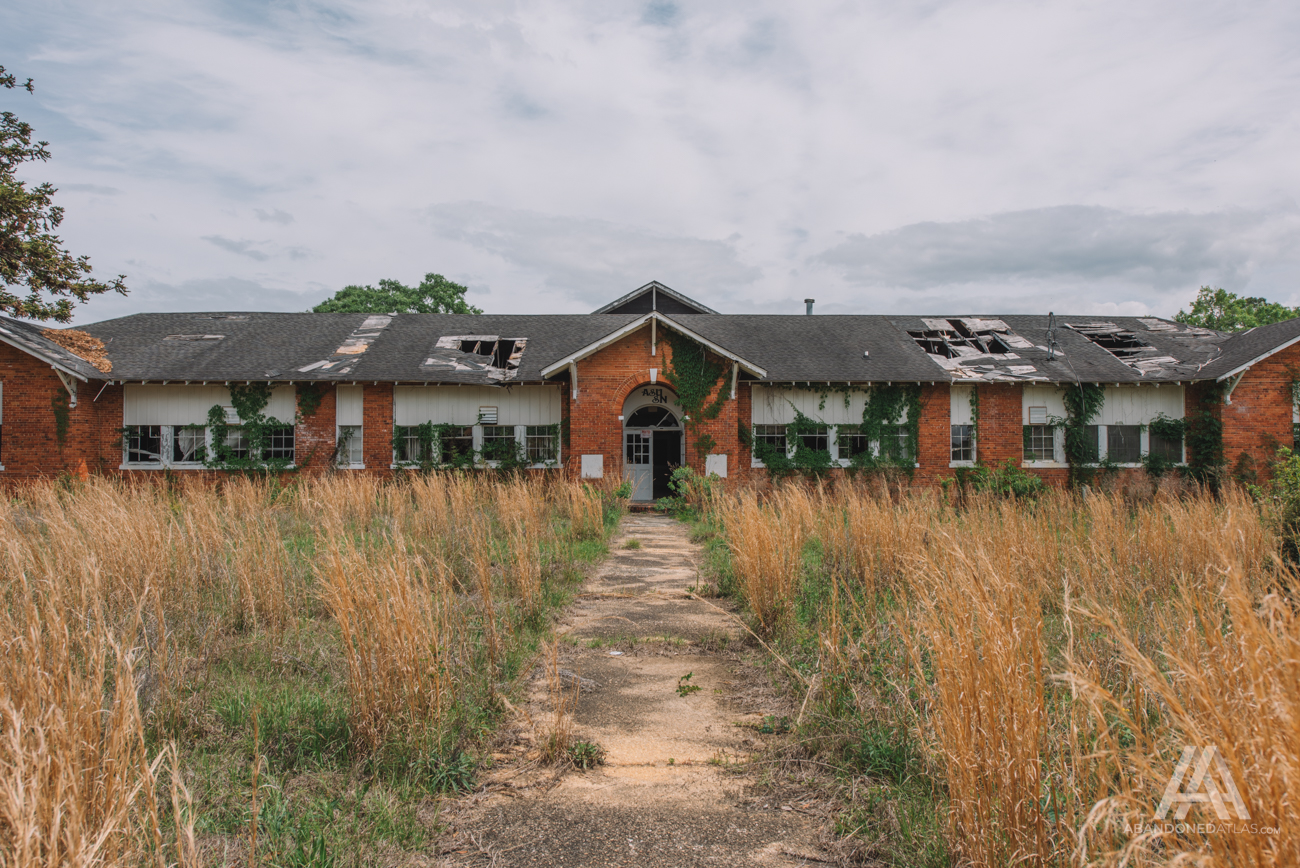

| City/Town: • Brewton |
| Location Class: • Educational |
| Built: • 1911 | Abandoned: • 2015 |
| Historic Designation: • African American Heritage Site |
| Status: • Abandoned |
| Photojournalist: • David Bulit |
The Life and Career of Professor James Dooley
Established in 1911, the Southern Normal and Industrial Institute, also known as the Southern Normal School, in Brewton, Alabama, began as the vision of James A. Dooley Sr., a dedicated Christian layman who sought to provide quality education for African-American youth during the era of segregation.
Born on September 2, 1865, in Elberton, Georgia, Dooley graduated from Knoxville College in Tennessee despite his family’s economic hardships. He became a teacher and taught at various schools throughout the South. During his travels, he witnessed the stark educational deficiencies facing Black students under the weight of segregation, which solidified his dream of creating a faith-based learning environment where students could truly thrive.
Before establishing the Southern Normal School in 1911, James Dooley served as principal of the Delhi Normal School and Agricultural Institute in Louisiana before establishing a school in Pass Christian, Mississippi, known as the Dooley Normal and Industrial Institute in 1903. It was located one mile north of the town on the Bayou Portage. The school was non-sectarian and non-denominational. Dooley often traveled throughout the Midwest, soliciting donations for improvements to the school. The Ann Arbor Daily Times reported in 1907 that the school had 139 students, men and women. The cost of board and tuition was $7 a month, which was noted as being an “exorbitant sum, as it is in a community where money there is none.”
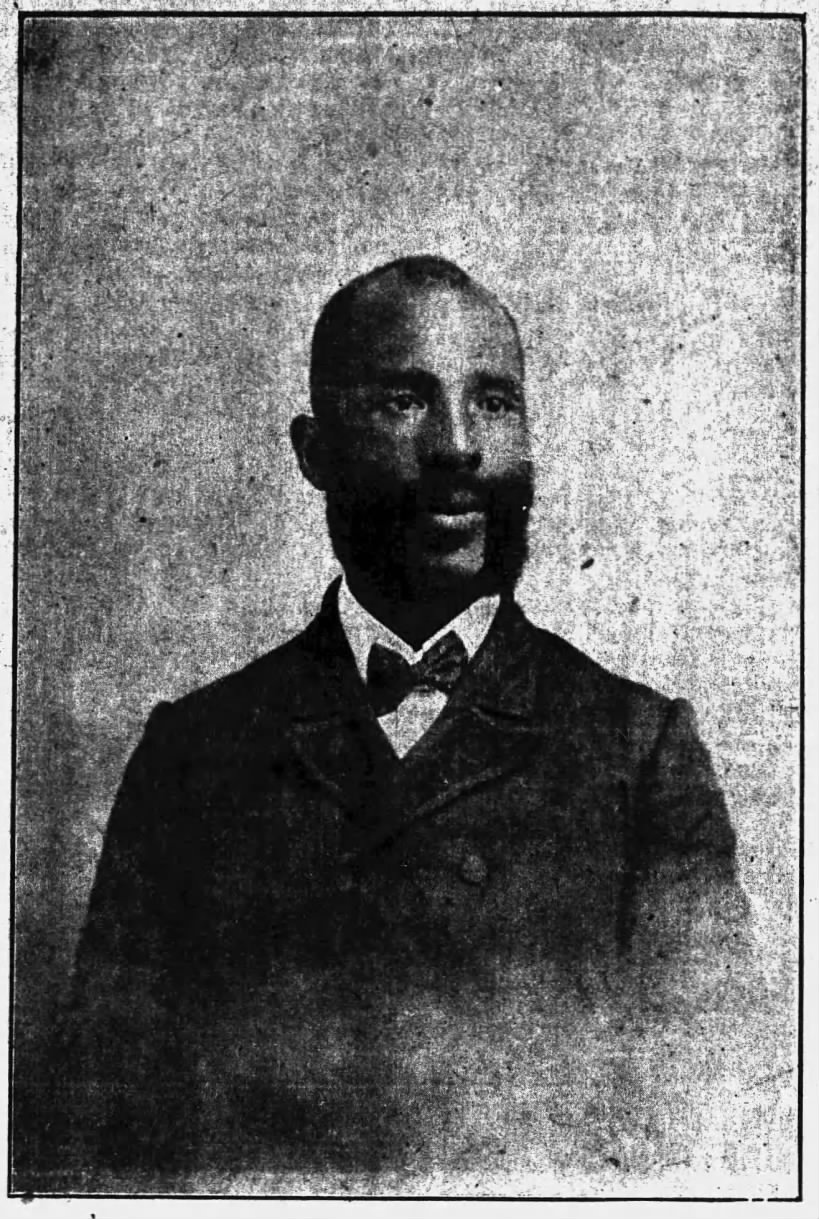
Despite the era’s racial divides, Dooley’s impressive repertoire and visionary leadership garnered him widespread respect across both racial communities. The Herald-Press of St. Joseph, Michigan, wrote about the Dooley Normal and Industrial Institute: “The aim of the institution is for the training of young men and women for good citizenship—and that by the harmonious development of the head, hand, and heart; also to provide a place for the special training of persons who desire to become teachers by giving them a thorough English literary course and an industrial training. The object is a worthy one and therefore deserves encouragement.”
Following an address at the Congregational Church in Buchanan, Michigan, Rev. Cady paid him a high tribute, describing Dooley as a ‘second Booker T. Washington.’
By 1908, the school had moved to Daphne, Alabama, as it was reported by The Baldwin Times in November 1908 that Frencher Gray, “a negro of Latham, Ala., who is 103 years old,” had donated 120 acres of land at Daphne, Alabama, valued at nearly $2,000, to the “Dooley Normal and Industrial Institute, colored of Daphne, Ala.” Gray understood that with this donation, he was helping his race. At the time, it was noted that fifty-one students were enrolled at the school, and that the school was “in much need of dormitories and shops.”
It was also reported that the “trustees of this institution have been administrators of Frencher Gray’s remaining property, which consists of about 340 acres,” but there is no record of where this land was located or how it was eventually used.
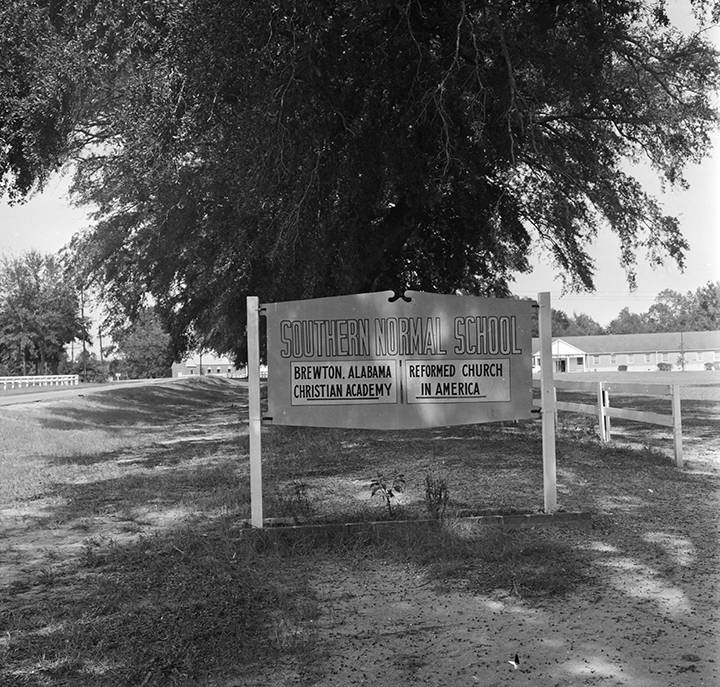
The Southern Normal School
During a 1912 conference at the Tuskegee Institute, Dooley detailed the origins of his latest endeavor: the Southern Normal and Industrial Institute in Brewton. He shared that a board of trustees had already been established and had secured 250 acres of land two miles north of the city for $5,000. Under the instruction of Moses Purifoy, the school had officially opened its doors five months prior, around September 1911.
Dooley’s philosophy for the Southern Normal and Industrial Institute followed Booker T. Washington’s for Tuskegee Institute, focused on educating the “head, hand, and heart” to foster self-reliance and character in students. By 1919, the institution came under the leadership of the Board of Domestic Missions of the Reformed Church in America, which helped establish it as a permanent and prominent preparatory boarding school in south-central Alabama.
James Dooley died on May 30, 1930, and was buried on the campus where an eternal flame marks its location. Following his death, it was renamed Southern Normal School.
Curriculum and Life on Campus
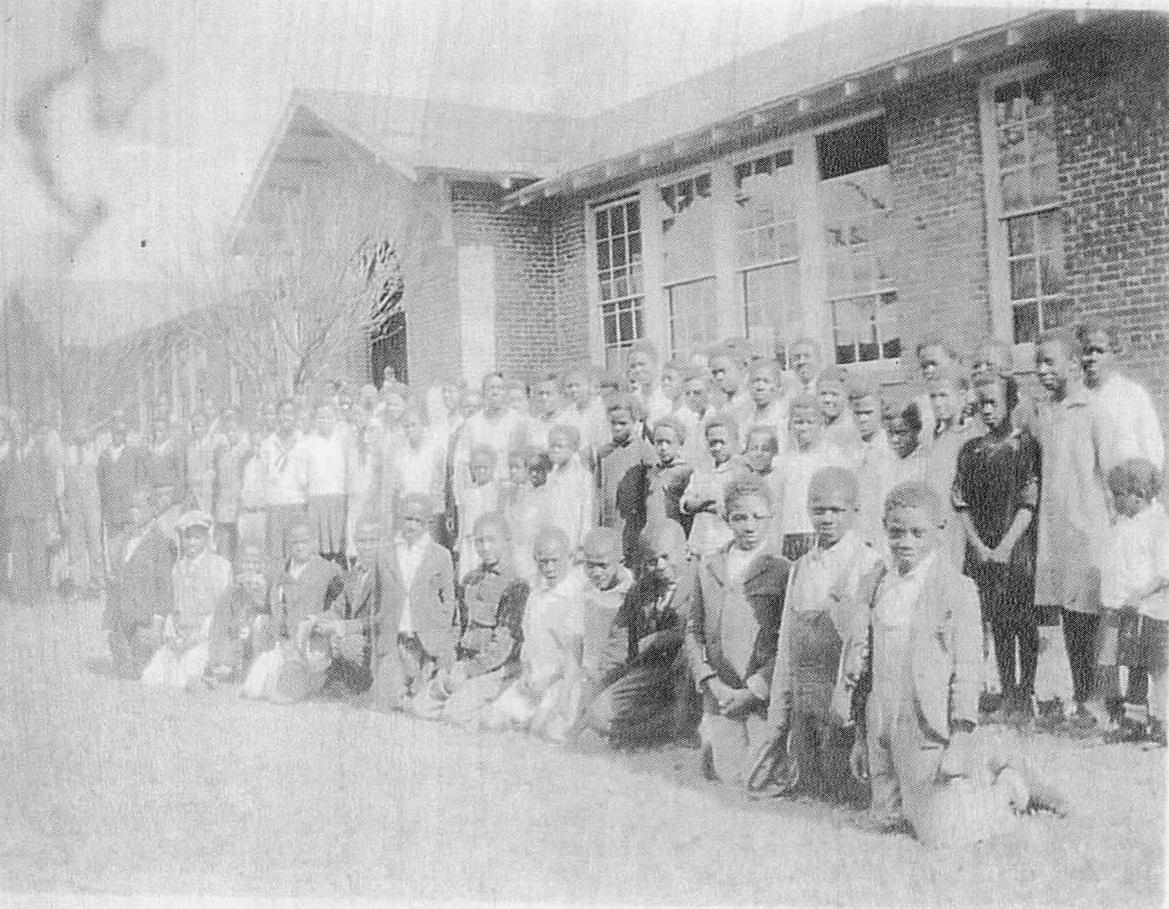
As a junior and senior high school, Southern Normal became known for its high academic standards and its ability to prepare graduates for entry into first-rate colleges. The curriculum was designed to be well-rounded, integrating intellectual, cultural, and religious training into daily life. Dedicated in March 1950, the Bergen Memorial Chapel served as the heart of campus life. Its design was inspired by the historic Old Bergen Dutch Reformed Church located in Jersey City, New Jersey.
At its peak, the school’s enrollment reached nearly 350 students, drawing boarders from across the Southeast, including Florida, Georgia, and Louisiana. For decades, it held a unique position as the only institution in the Brewton area providing an education for African-Americans, producing a generation of community leaders and professionals. It was the only school in Brewton that educated African Americans until 1969.
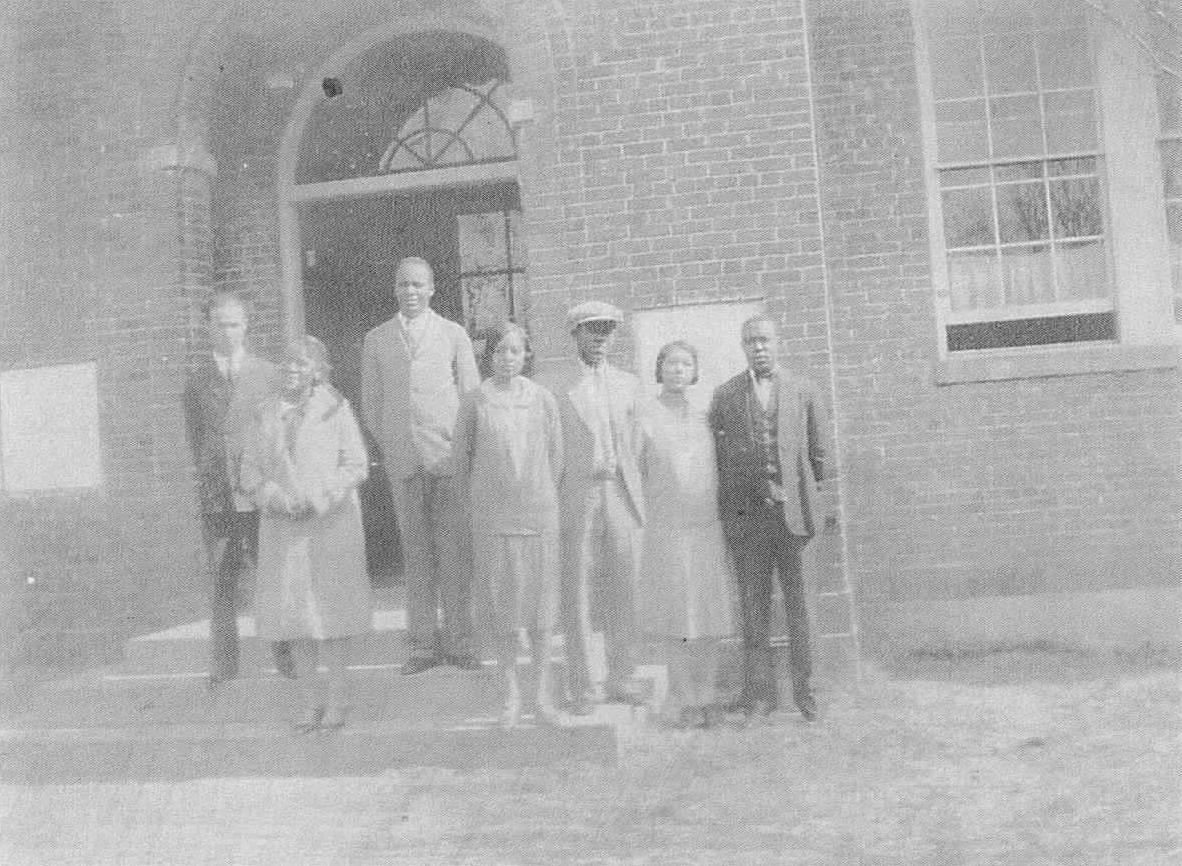
Parting Ways with the Church
A significant shift occurred in 1992 when the school transitioned away from the Dutch Reformed Church in America, leading to the incorporation of the Southern Normal School Foundation. In a 2015 interview with The Anniston Star, Atlanta businessman Frederick Burks, a 1965 Southern Normal School graduate, who also served multiple terms on the school’s board of trustees, said this transition came as the Dutch Reformed Church’s support for the school had declined. Burks noted that during his time on the board, they actively sought a turnaround strategy, even consulting with Maya Angelou for her guidance.
Later Years, Closure, and Abandonment
The school underwent a significant transition in 1997 when it was purchased by Alabama State University (ASU) and became the Southern Normal Academy, and was later listed as a historical landmark in Alabama’s Register of Landmarks and Heritage. In 2015, the school was abruptly shut down. Although the reason for its closure was never made official, some claim they were told that ASU didn’t have the money to continue paying the staff there. Although ASU received $763,600 from the state Public School and College Authority Board (PSCA) in 2021 to improve the campus, no visible progress was made before the site’s further decline.
While time has weathered the historic structures, vandalism has been the primary driver of the campus’s ruin. The most significant loss occurred in September 2025, when an apparent act of arson burned Dooley Hall, named for the institution’s founder, to the ground.
Photo Gallery


